The School Across from the Church: 150 Years in One Place
At 37 Bratya Miladinovi Street, across from the Armenian church in Ruse, stood the Armenian school Surp Mesrob Mashtots. Its history – and why the year 1944 is wrong.

 Арменаг Бакърджиян
 At 37 Bratya Miladinovi Street, across from the Armenian church in Ruse, stood the Armenian school Surp Mesrob Mashtots. Its history – and why the year 1944 is wrong.
The Divine Liturgy of the Armenian Apostolic Church: the meaning of the Badarak, its two parts, the eucharistic canon and the symbolism of its rites.
Tsaghkazard, Palm Sunday in the Armenian Apostolic Church: willow branches, the opened altar and Trnpatsek – the opening of the gates of Paradise.
The eight Sundays of Great Lent in the Armenian Church – from Paregentan to the Resurrection – each with its Gospel reading and its spiritual meaning.
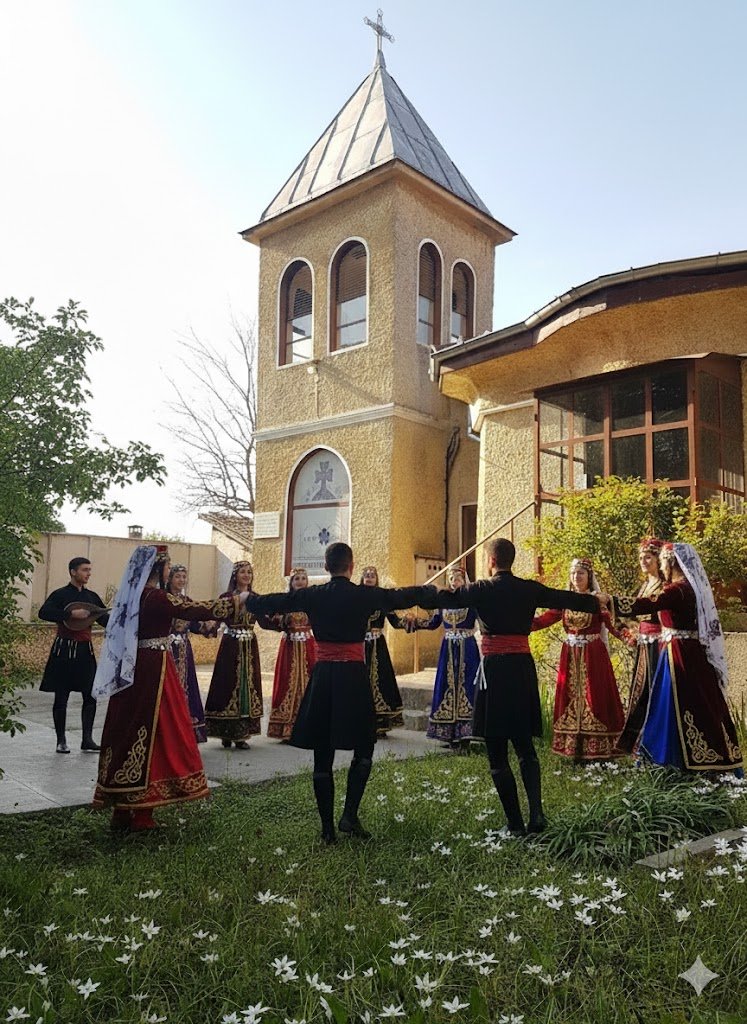
Diarnuntarach, forty days after the Nativity: Christ in the Temple, the Andastan service, the bonfires and the light carried home from the church.
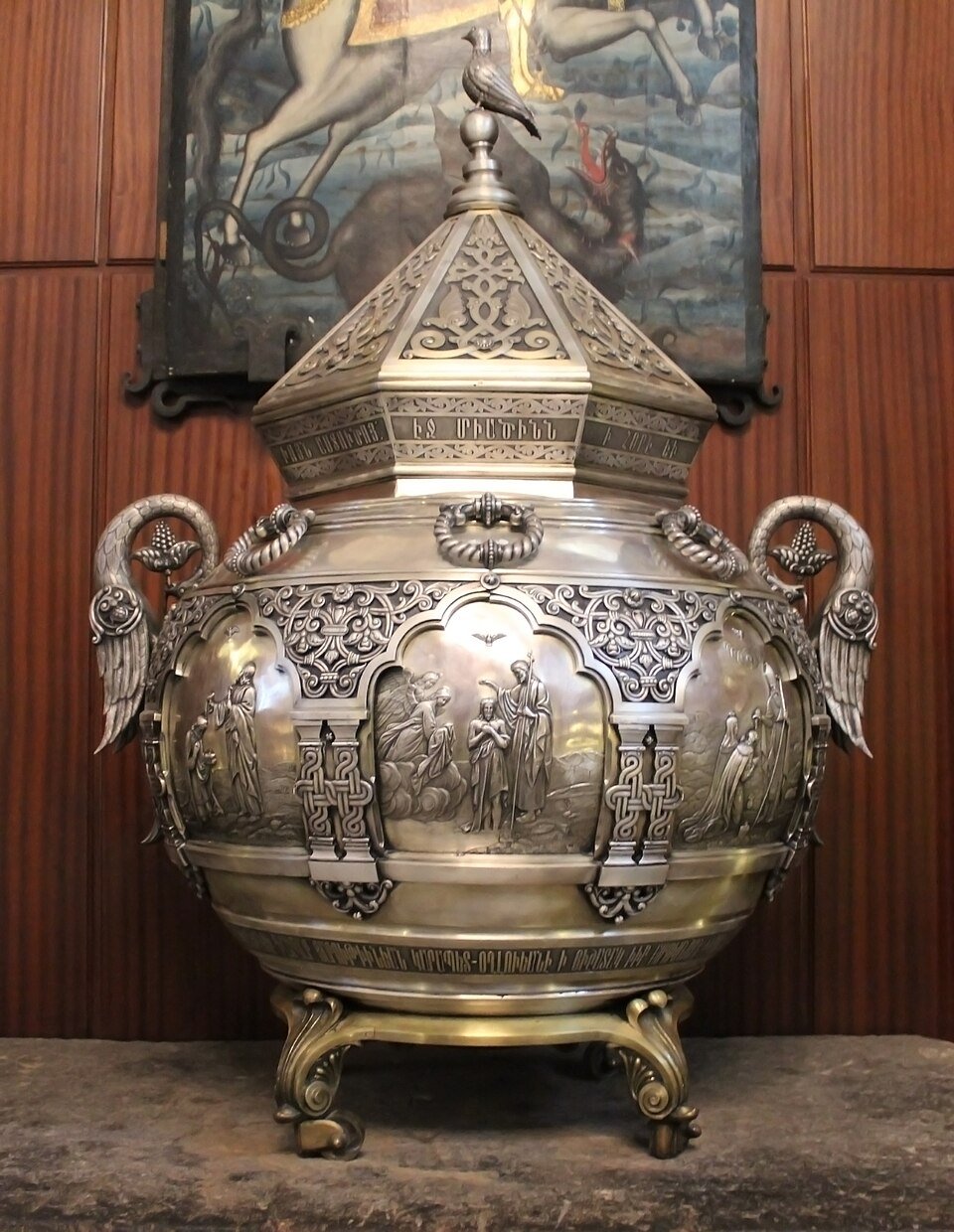
The Holy Muron, the sacred chrism of the Armenian Church: its forty ingredients, its biblical roots, its consecration at Etchmiadzin and its meaning as a sign of unity.
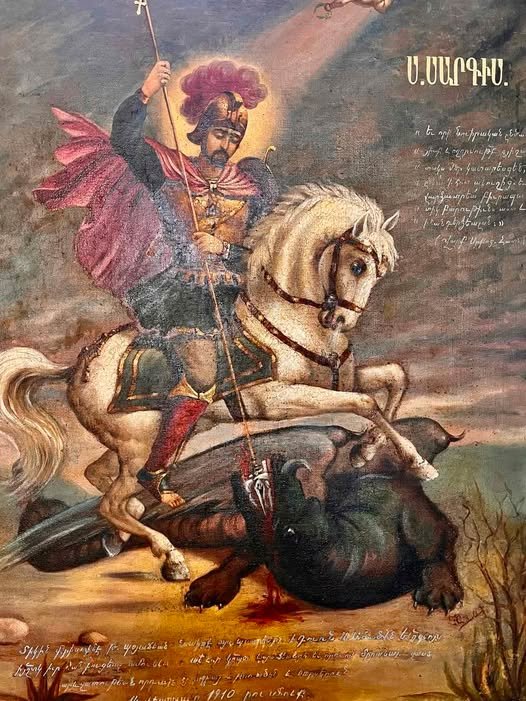
Saint Sarkis the Commander: soldier and martyr of the fourth century, patron of young people and lovers, and the legend of the white horse.
Saint John the Baptist in the Armenian tradition: his ascetic life beside the Jordan, his martyrdom under Herod, and his veneration as Surp Garabed.
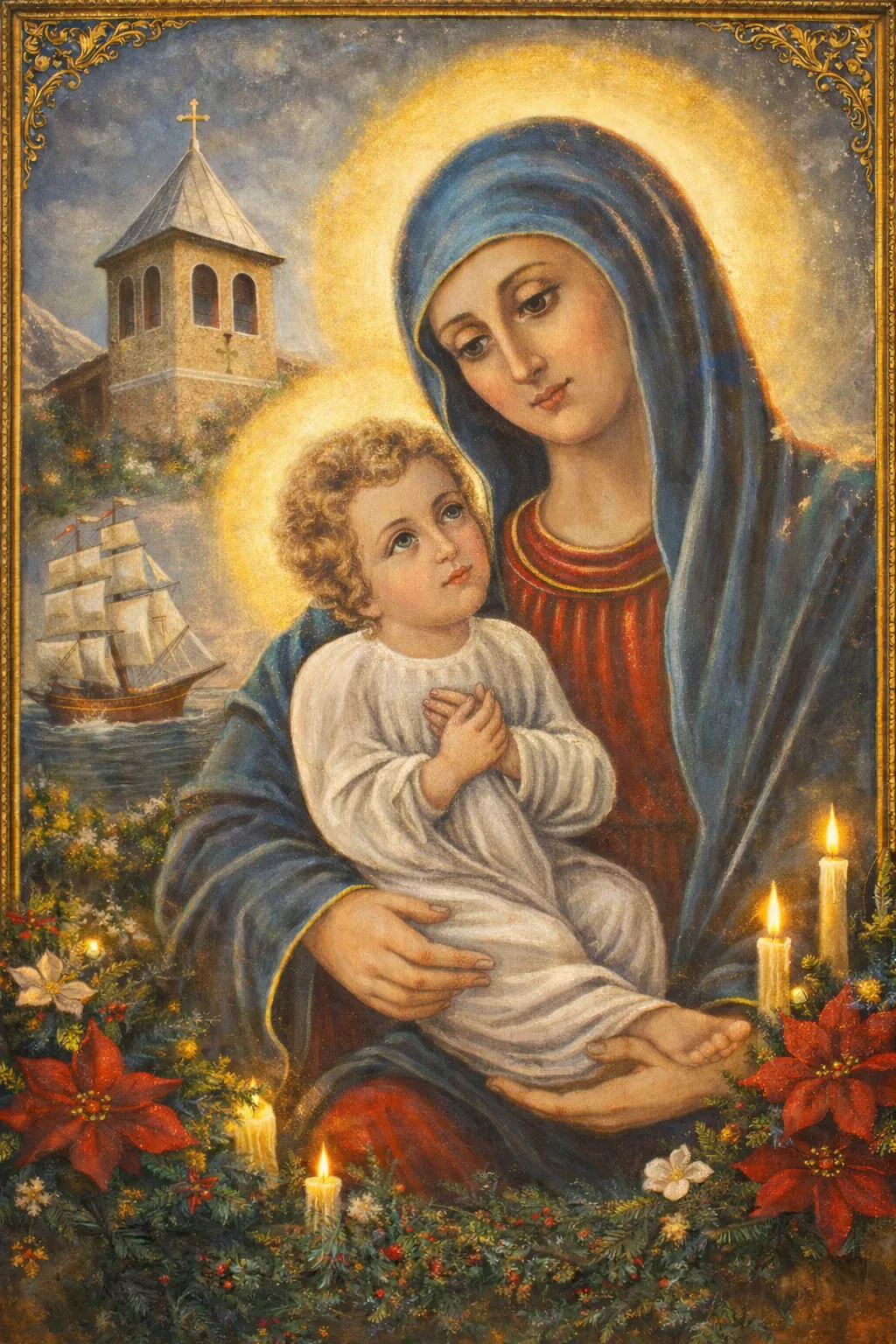
Why Armenians celebrate Christmas on 6 January: the Nativity and the Baptism of Christ together, Jrakalouyts, the Christmas Eve table and the feast of Dznunt.
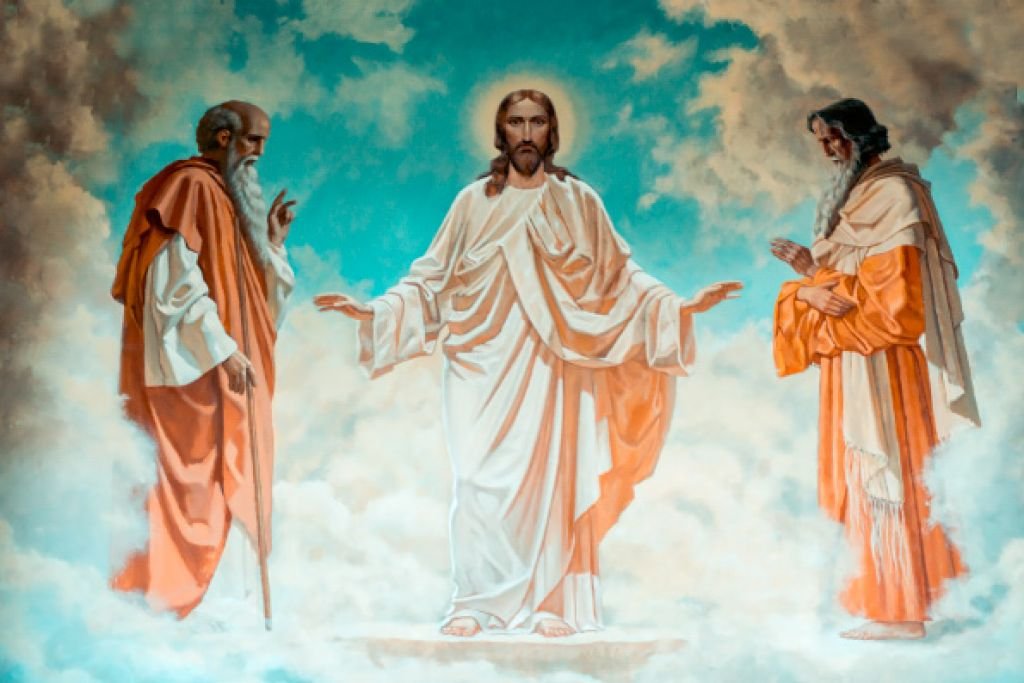
Saints Peter and Paul in the Armenian tradition: the rock of the Church and the apostle to the nations, commemorated on the last Saturday of December.