
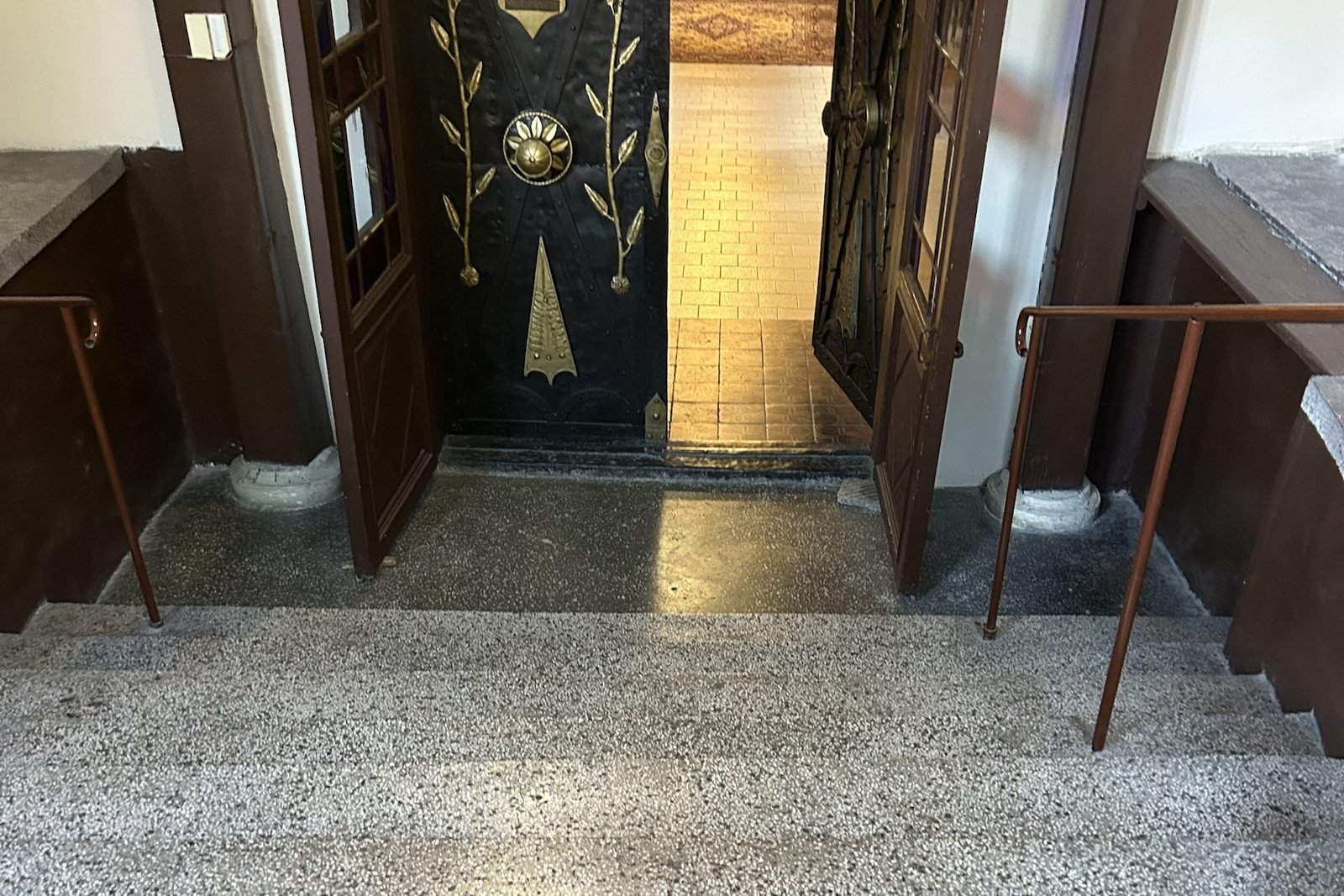
Before you enter the prayer hall of our church, you pass through the gavit – the small narthex in front of the entrance. In Armenian tradition this is the space between the street and the altar: here you leave the world outside and prepare for prayer.
Small, because it had to be
In Armenia, the gavits of the old monasteries, such as Geghard and Sanahin, are spacious and richly decorated. Ours is modest – and there is a story behind that.
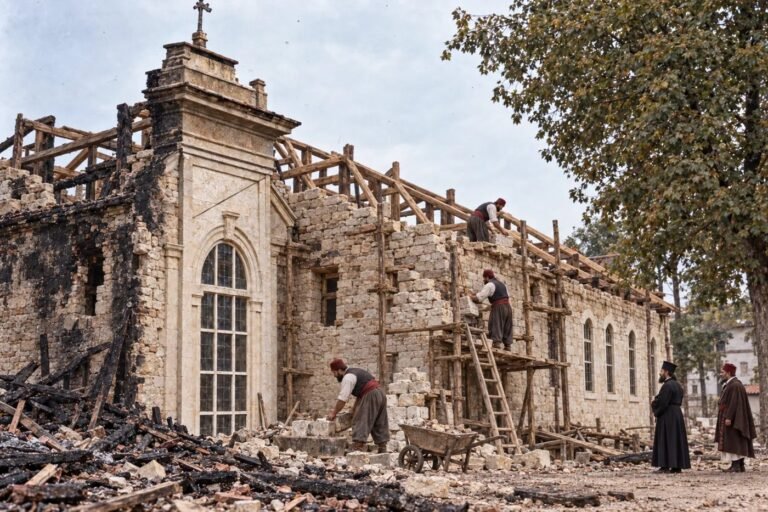
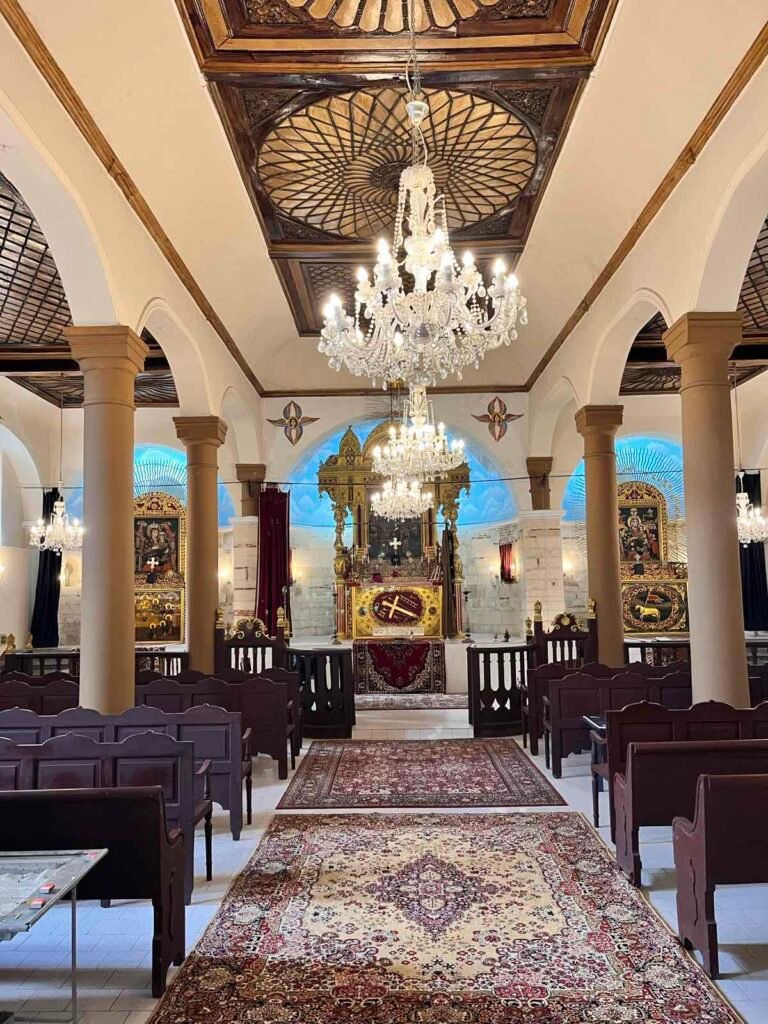
The church was built in 1610 as a wooden building. After a fire, it was rebuilt in stone in 1832. At that time Ottoman law required Christian churches to be sunk into the ground and to be no taller than the mosques. That is why the church is half underground and the gavit lies below street level. Stepping down into it still feels like a passage – from the noise outside to the silence within.
The walls are of stone. On the north wall of the churchyard there are late-medieval graffiti in Armenian – small traces of people who passed through here centuries ago.
What happens in the gavit
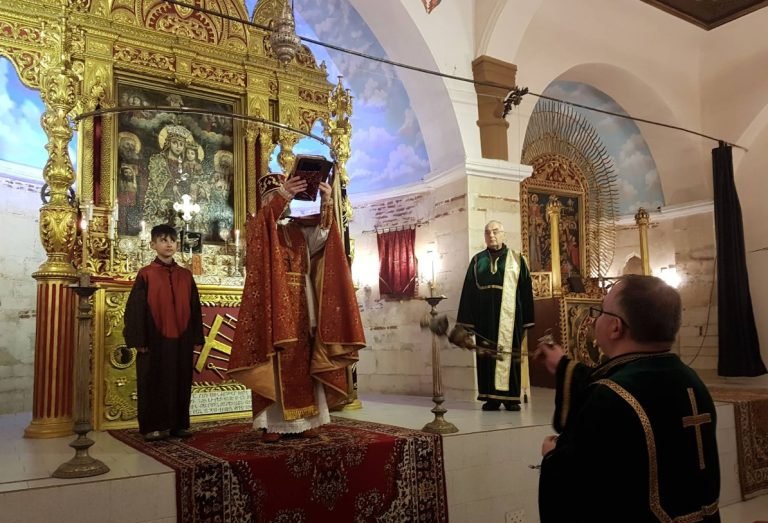
Here the faithful gather before the Divine Liturgy and stay to talk afterwards. It is especially full on the great feasts – Surp Astvadzadzin (the Assumption of the Holy Mother of God), when we honour the patron of the church, and Vartavar (the Transfiguration of the Lord).
The gavit has always been a place for the community, too. When refugees from Western Armenia arrived in Ruse after the Armenian Genocide, it was around the church that people found support, their language and their memory. The Armenian school “Surp Mesrob Mashtots” once stood nearby.
The tunnels and the low door
Beneath the church there are tunnels that once led out of the town – an escape route in times of danger. Parts of them survive. In the church you can still see the low door that once led into the secret tunnel.
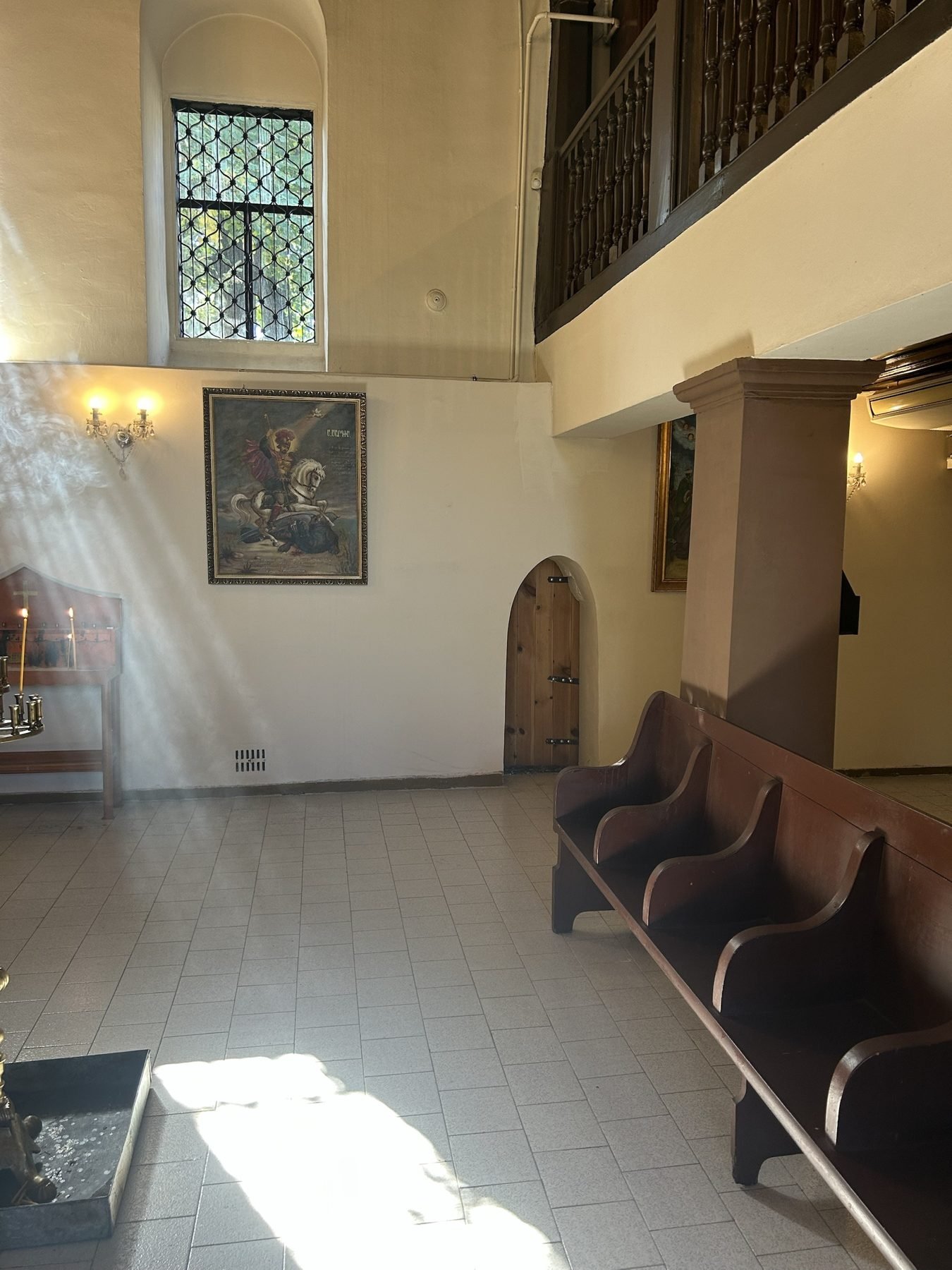
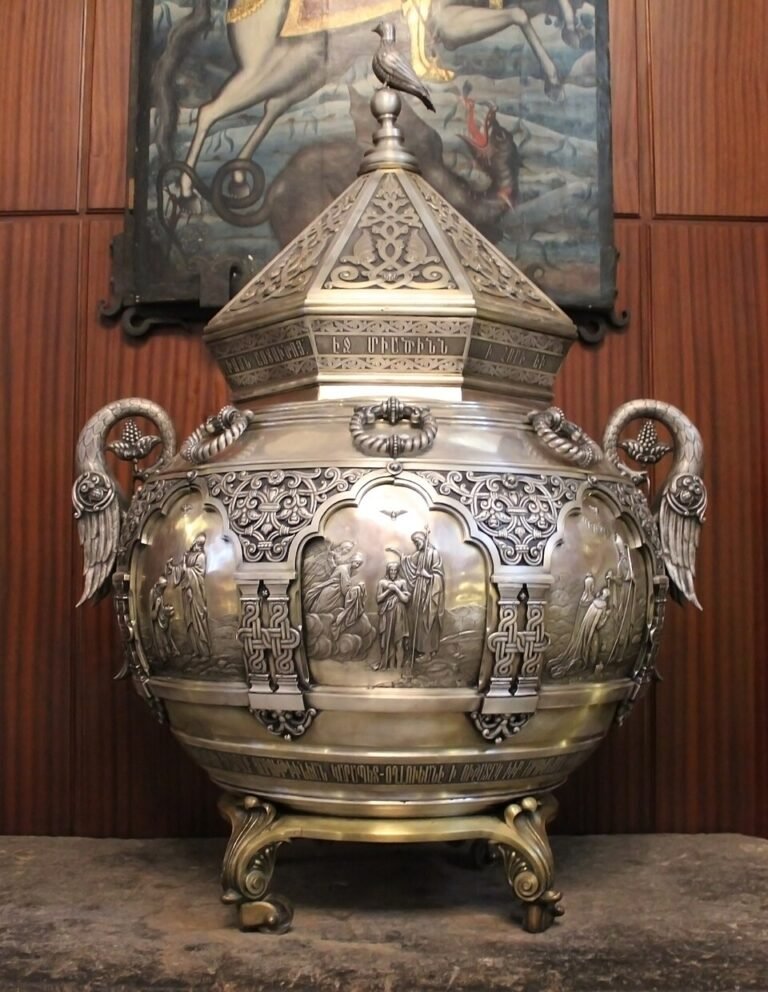
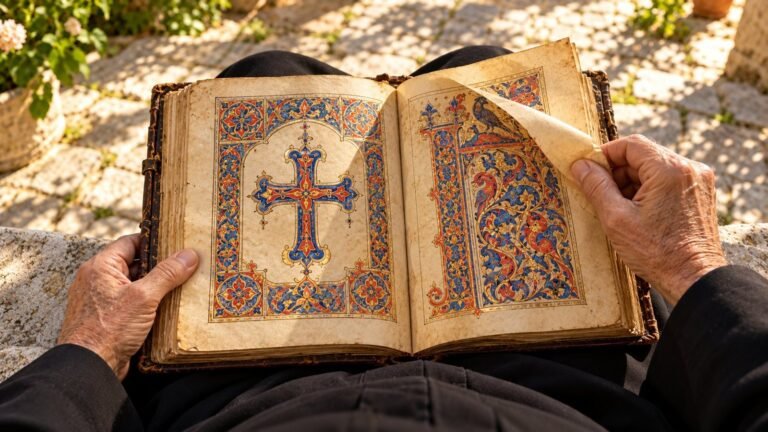
In 2012, for the 400th anniversary of the church, one of its rooms became a small museum with rare books and relics.
The gavit is small, but it keeps what the whole church keeps: the faith and memory of the Armenians in Ruse, for more than four centuries.
 Gallery
 Blog