The Holy Badarak in the Armenian Apostolic Church
The Divine Liturgy of the Armenian Apostolic Church: the meaning of the Badarak, its two parts, the eucharistic canon and the symbolism of its rites.

The Divine Liturgy of the Armenian Apostolic Church: the meaning of the Badarak, its two parts, the eucharistic canon and the symbolism of its rites.
Tsaghkazard, Palm Sunday in the Armenian Apostolic Church: willow branches, the opened altar and Trnpatsek – the opening of the gates of Paradise.
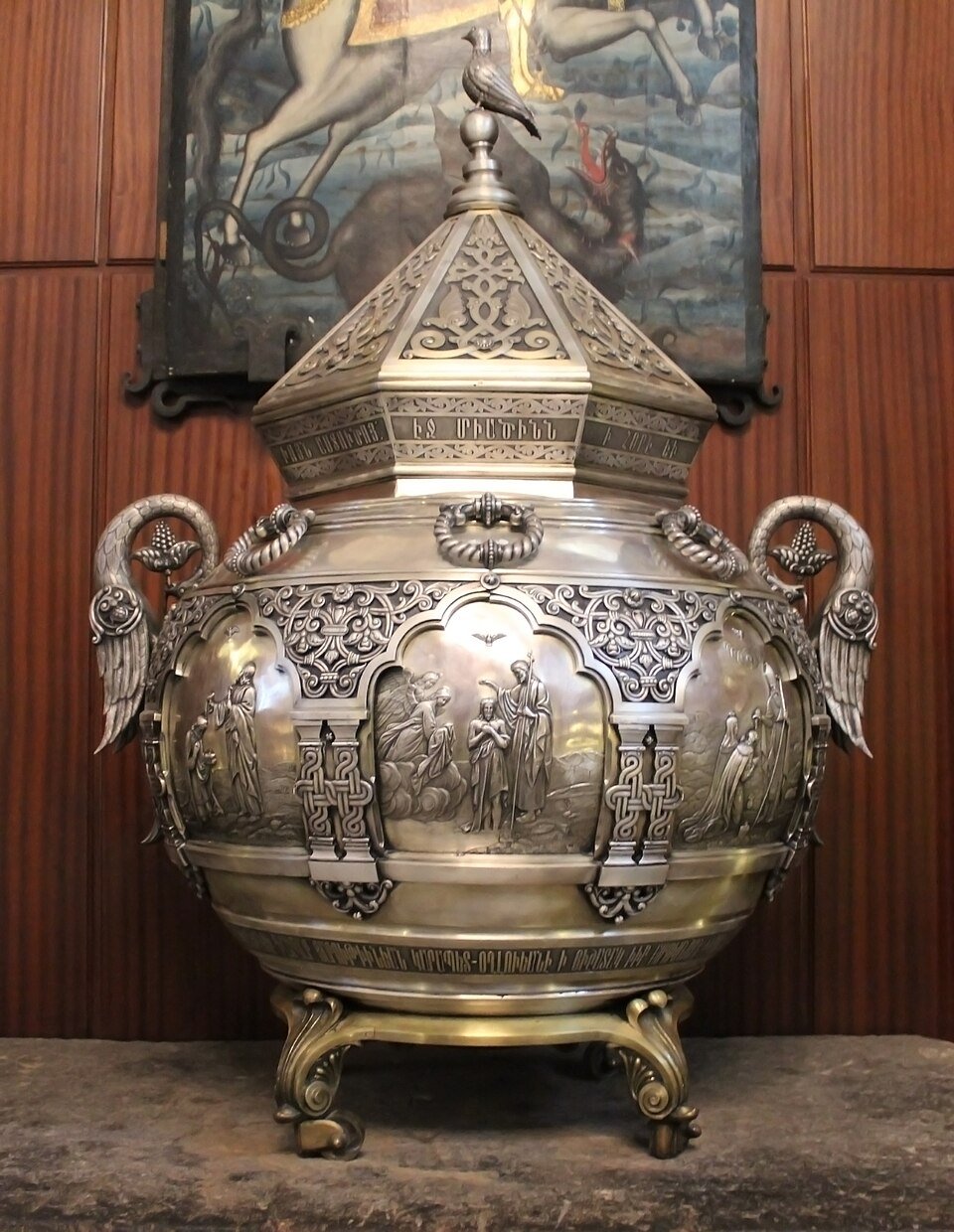
The Holy Muron, the sacred chrism of the Armenian Church: its forty ingredients, its biblical roots, its consecration at Etchmiadzin and its meaning as a sign of unity.
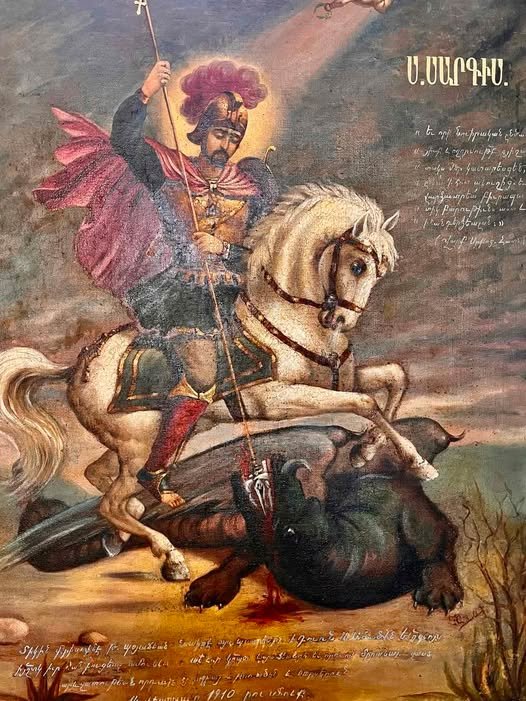
Saint Sarkis the Commander: soldier and martyr of the fourth century, patron of young people and lovers, and the legend of the white horse.
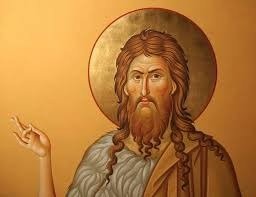
Saint John the Baptist in the Armenian tradition: his ascetic life beside the Jordan, his martyrdom under Herod, and his veneration as Surp Garabed.
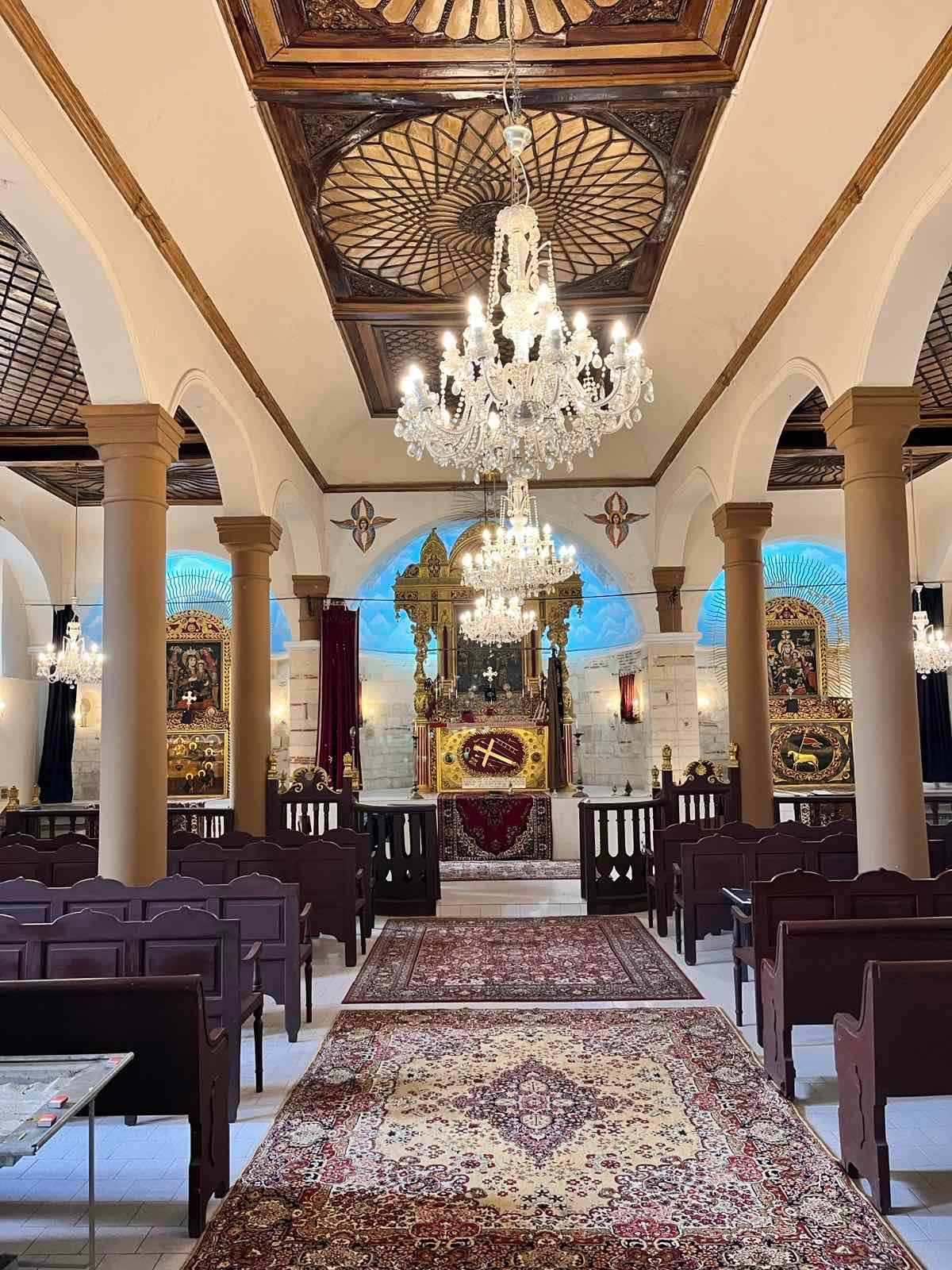
The Atyan, the nave of the Armenian church: its place, its symbolism and its role as the living heart of the community across the centuries.
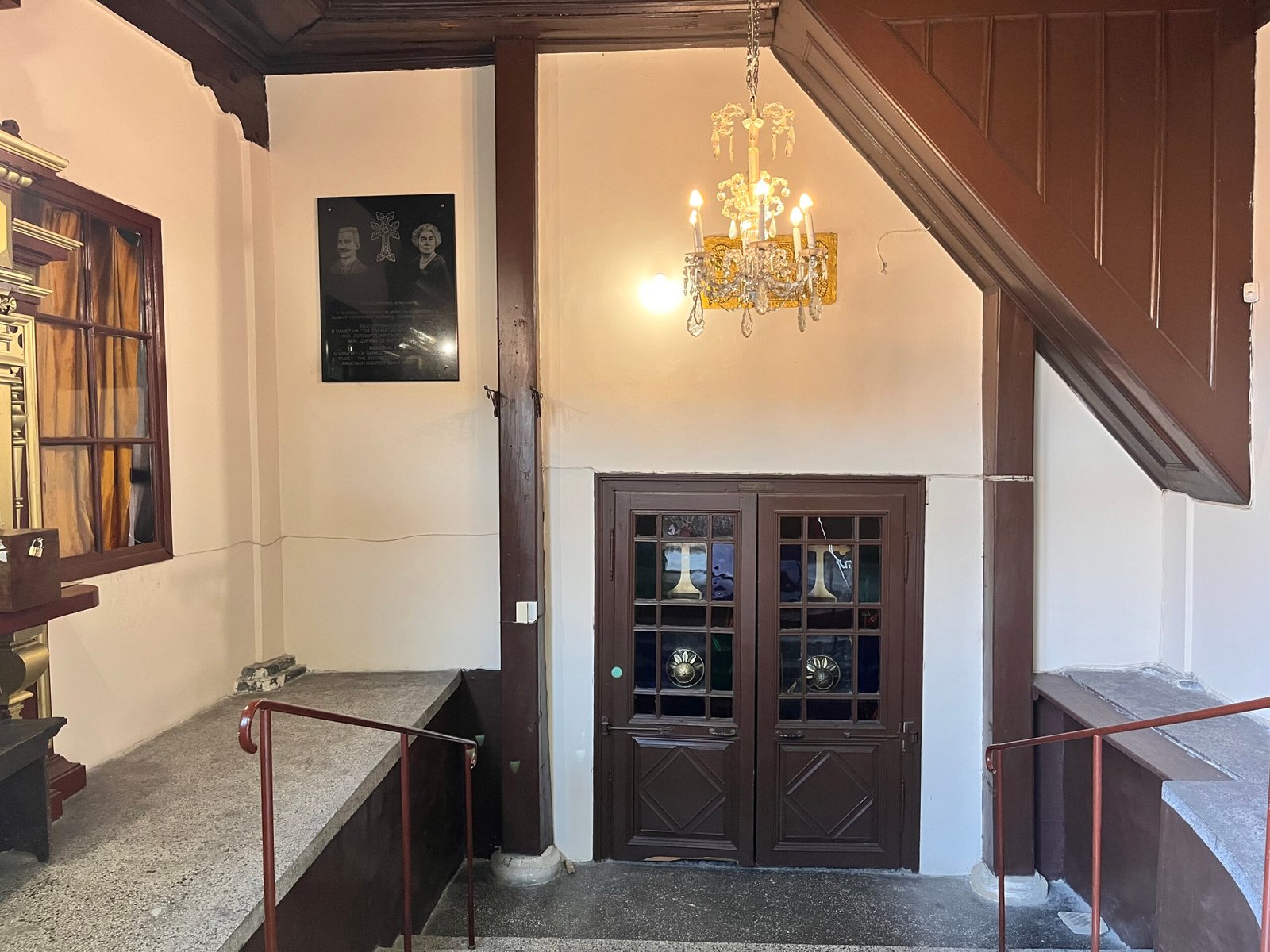
The gavit, the narthex of the Armenian church in Ruse: its architecture under Ottoman rule, its religious and social role, and its place in the life of the community.
The chalice, the paten, the Muron vessel, the cross, the censer and the kshots – the liturgical objects of the Armenian Church and the meaning behind each of them.
Gavit, Atyan, Tas, Khoran, Surp Seghan, Baharan and Vernadun – the parts of an Armenian church and the spiritual meaning behind each of them.